


HRW
Sheikh Hasina, Top Officials Linked to Enforced Disappearances
Published:
৪ ফেব্রুয়ারী ২০২৫, ১২:৩৬
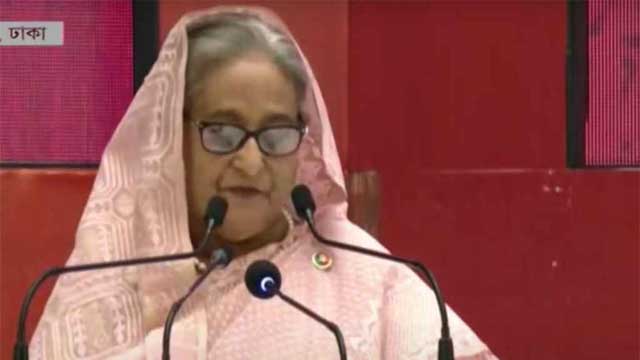
Human Rights Watch (HRW) has found evidence linking ousted Prime Minister Sheikh Hasina and several top military and civilian officials to the oversight of enforced disappearances in Bangladesh.
The organization stated that Sheikh Hasina, along with senior officials including Major General (Retd.) Tariq Ahmed Siddique, Major General Ziaul Ahsan, and high-ranking police officers, were involved in supervising these disappearances.
These findings were published in HRW’s recently released 50-page report titled "After the Monsoon Revolution: A Roadmap to Lasting Security Sector Reform in Bangladesh."
A National Commission investigating enforced disappearances previously reported on December 14 that over 3,500 cases of forced disappearances occurred under Sheikh Hasina's government.
HRW further stated that officials involved in these disappearances told the organization that Sheikh Hasina and other top government figures were aware of the enforced detentions.
Following Hasina’s departure from the country, three individuals were released from secret detention centers. Authorities had denied detaining them for years.
Lawyer Mir Ahmad Bin Kashem, a victim of enforced disappearance, described his place of detention as being "designed to provide an experience worse than death."
The National Disappearance Report noted that the methods of torture were not just systematic but also institutionalized.
HRW recommended that Bangladesh dismantle the Rapid Action Battalion (RAB), an anti-terror unit composed of police and military officials, which has been accused of extrajudicial killings, torture, and enforced disappearances. The organization urged the government to act in line with the National Investigation Commission's recommendations.
Regarding this report, HRW stated that RAB chief AKM Shahidur Rahman acknowledged the existence of secret detention centers and mentioned that if the interim government decides to disband RAB, the unit will comply with the decision.
HRW also highlighted Bangladesh’s long history of divisive politics, which has influenced law enforcement agencies. It suggested that the interim government establish independent civilian oversight, including unannounced inspections of all detention facilities under the National Human Rights Commission’s authority.
Additionally, HRW emphasized the need to implement international standards in the use of force by security forces, ensuring clear accountability for any member who violates the law.

Comment: