


UNESCO nomination raises hopes for Tangail’s handloom heritage
Published:
৭ ডিসেম্বর ২০২৫, ১৫:১৮
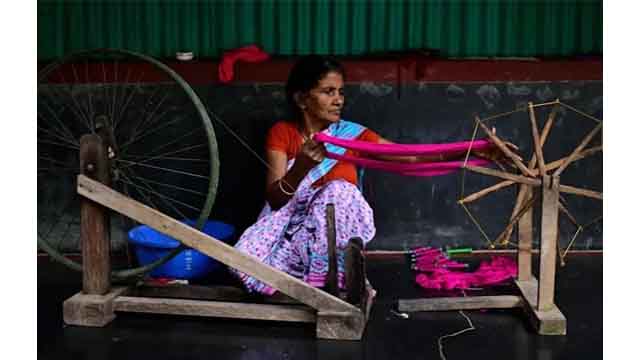
The weavers’ neighborhood near Dhaka is filled with the familiar clatter of handlooms, where artisans use colorful silk and cotton threads to create the iconic Tangail saree, reports UNB.
The traditional handloom saree takes its name from this central Bangladesh district, home to hundreds of weaver families.
The garment is widely viewed as a cultural symbol of the country and is proudly worn during festivals and weddings across the Indian subcontinent.
This year, the centuries-old craft was nominated for UNESCO’s list of Intangible Cultural Heritage of Humanity.
Each saree is produced through a careful blend of tradition and skilled craftsmanship, featuring aesthetic designs and intricate motifs inspired by local culture. Men typically dye the yarn, weave the fabric and develop the patterns on the looms, while women support the process by spinning threads.
Beyond its cultural value, the Tangail saree sustains hundreds of weaver households. But rising raw material costs and competition from cheaper machine-made products have discouraged many younger family members from continuing the craft.
Weavers say recognition from UNESCO could help revive interest and protect the tradition for future generations.
The Tangail saree was recognised as a Geographical Indication (GI) product of Bangladesh.

Comment: